Notes and essays
Articles
Shorter writing on Ayurveda, plants, policy, and livelihoods.
General education, not a diagnosis or emergency care. Medical disclaimer.
Articles published here will carry a title, an excerpt, a topic, and the body of the piece. Related reading can be attached from WordPress.
The first notes are short doorways. Longer essays stay on the public journal until an editor brings them across.
- Lessons from field implementation
What can be said in public about farmers, institutions, and value chains without private files.
- The herbal industry: evidence, regulation, and markets
A market exists. A medical claim needs a source that a reviewer will sign.
- Botanical ingredients and standardised extracts
An extract is not “the plant” unless the plant was identified and the process is documented.
- Good practices, traceability, and wild collection
A batch should be traceable. Wild collection is the exception that has to be justified.
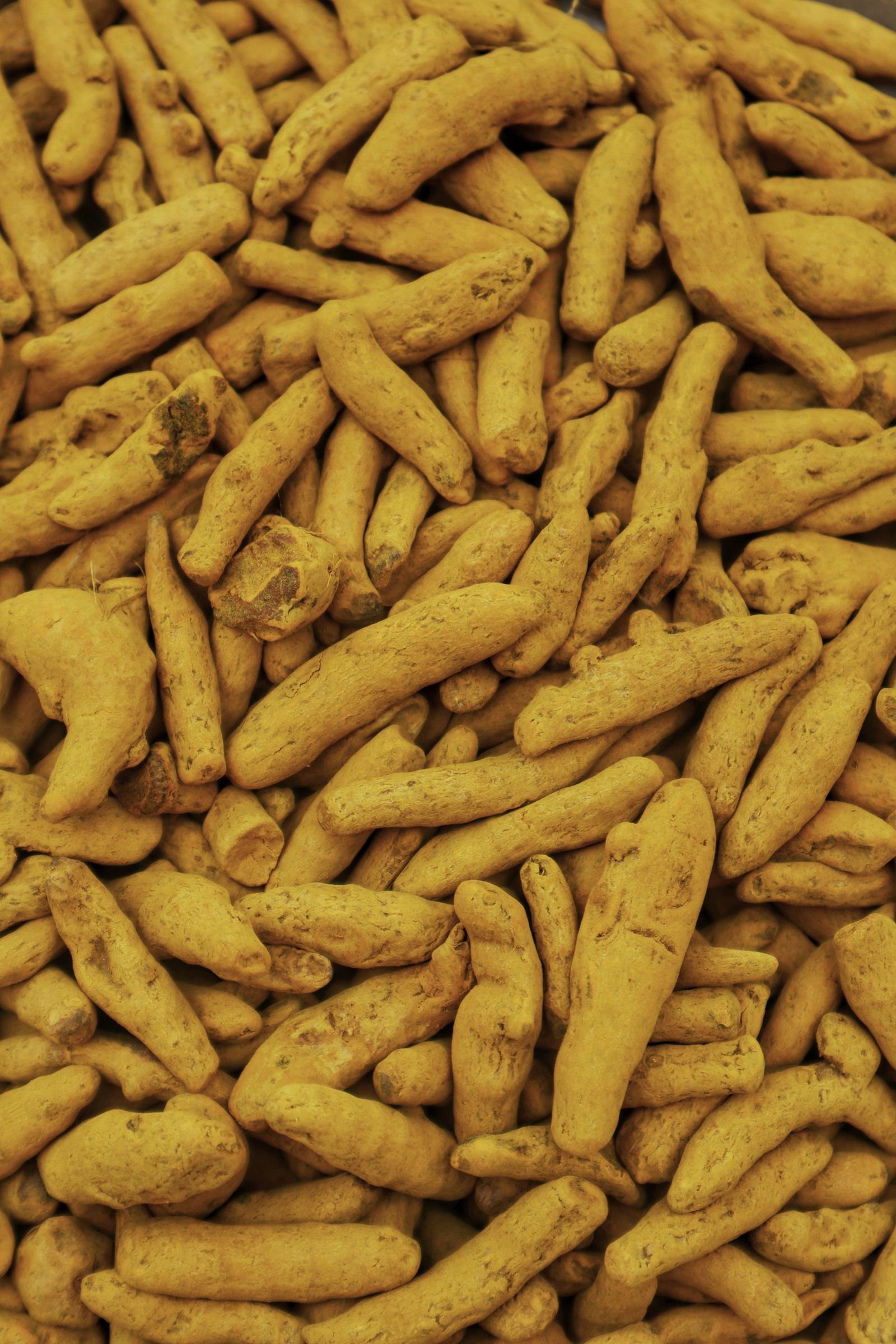 Quality planting material and nursery records
A nursery is credible when it can show what species it sold, and from which stock.
- Himalayan states, including the Northeast: a careful reading of opportunity
Opportunity is real only where identity, law, and local consent are settled first.
- From farm and forest to healthcare
Why a medicinal plant’s path from a hillside to a user is a chain of records, not a slogan.
- LokAyurveda: from community knowledge to responsible innovation
What has to be true before community knowledge becomes a product, a paper, or a training module.
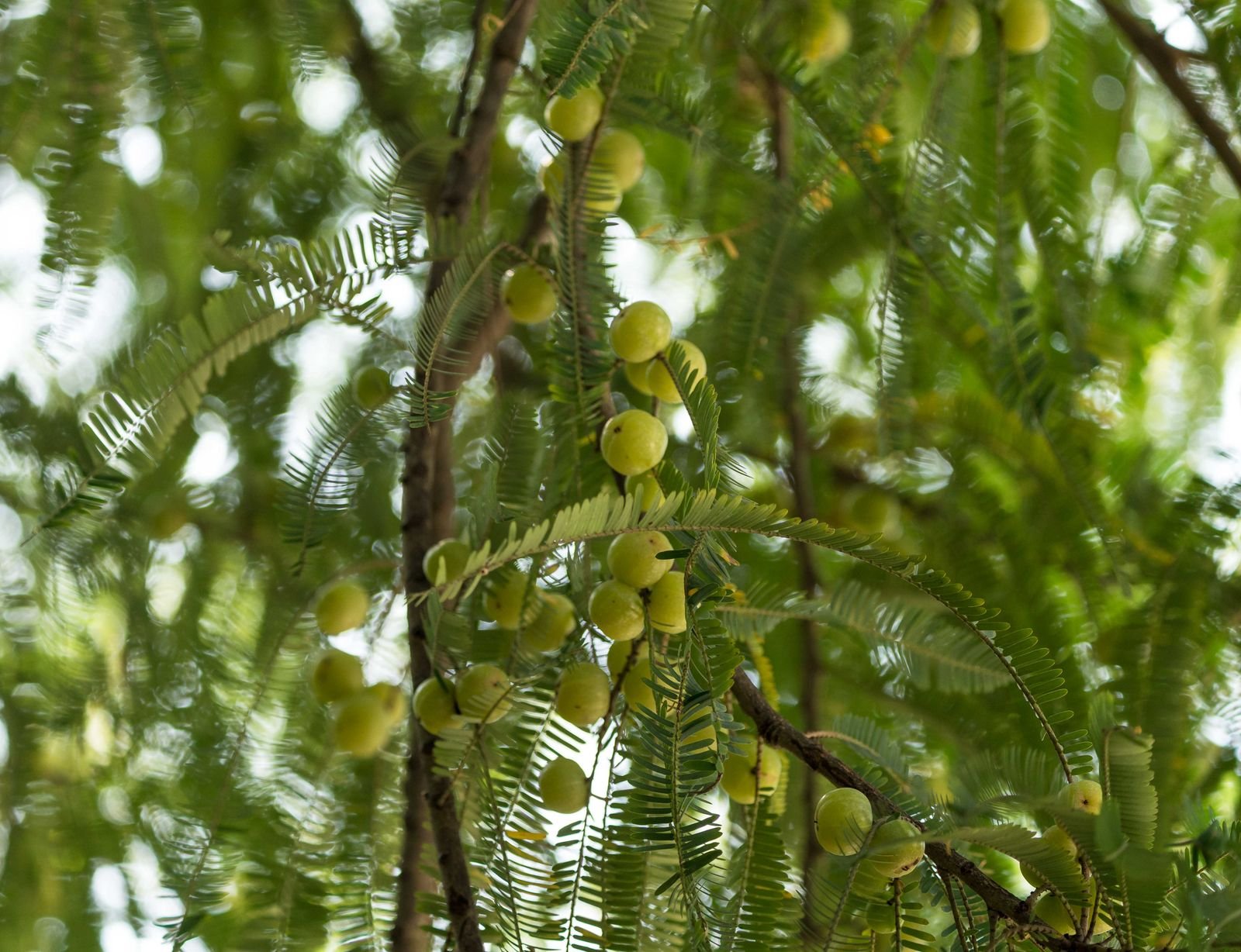 Amla, a teaching note
Herb of the week: Phyllanthus emblica as an identification example, not a remedy.
- Quality planting material, before the species list
Why a nursery’s records matter more than a catalogue of rare names.
- The garden he calls karmabhoomi
Joginder Nagar, the herbal garden, and a court ruling he credits with saving it from housing.
- What Lok Ayurveda asks of a record
A short note on consent, credit, and the difference between documentation and extraction.